Whether you are gutting a dated 1970s ranch home in Spring Hill, remediating moldy sheetrock after an East Texas pipe burst, or stripping tenant walls in a commercial retail space on Loop 281, demolition produces immense amounts of gypsum wallboard. Because drywall breaks apart easily into chalky powder and fractured chunks, many property owners and DIY remodelers miscalculate two crucial physical properties: its deceptive density and how quickly demolished sheetrock consumes dumpster tonnage.
Tossing shattered sheetrock into a truck bed or roll-off looks deceptively light until you pull across the certified scales at the Pine Hill Landfill or a Gregg County transfer station. Drywall is composed of calcium sulfate dihydrate (gypsum) pressed between paper liners—a mineral core that generates unexpected mass. If your dumpster payload exceeds its included tonnage allowance, overage charges can eat right through your renovation profit margins.
In this guide, we break down exact sheetrock weights per sheet, thickness comparisons, volume expansion factors during tear-out, and how to select the right 20-yard roll-off dumpster or commercial container for your remodel.
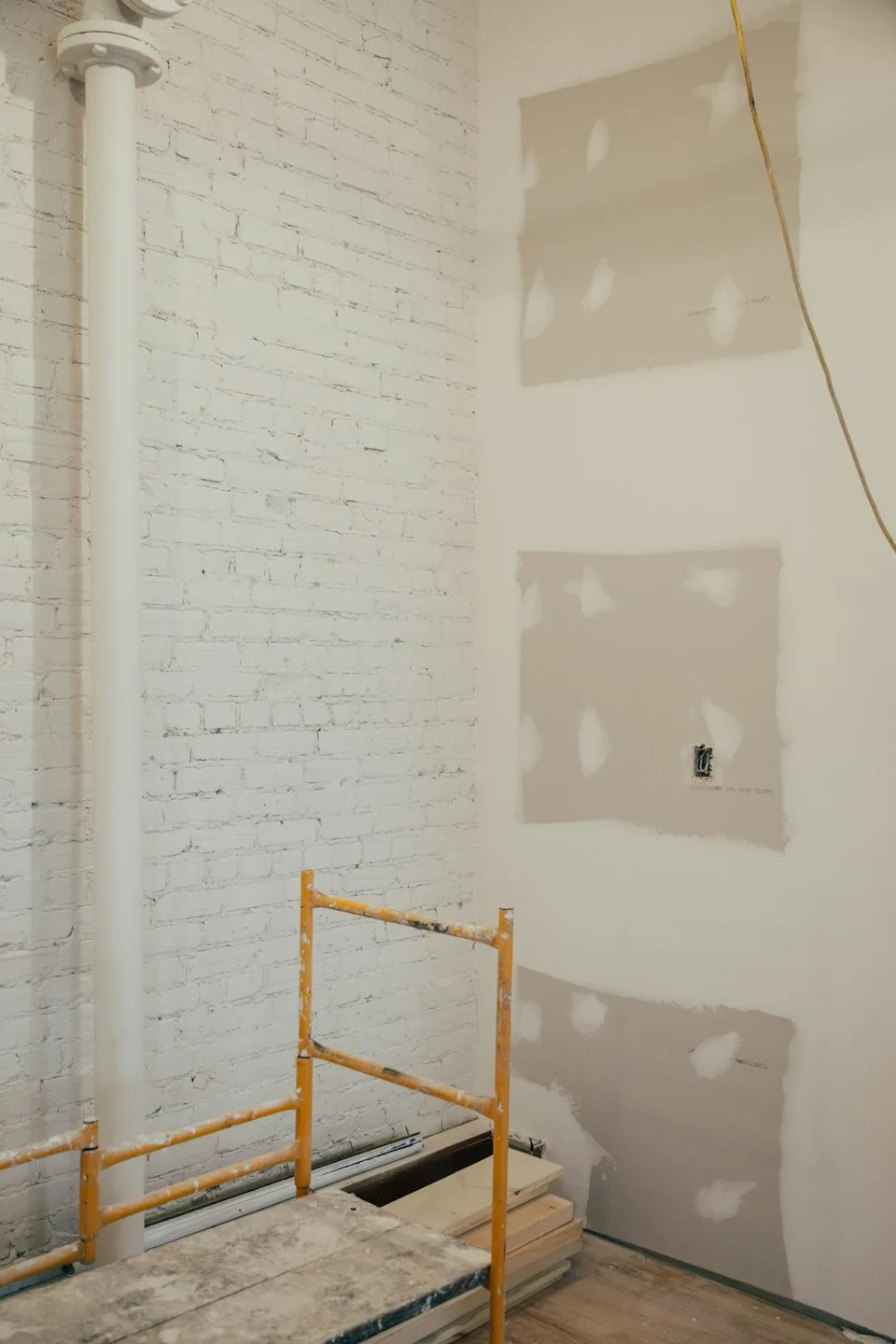
1. Drywall Weight Per Sheet: Thickness & Dimensions Chart
To accurately estimate the weight of your sheetrock tear-down, you need to identify the panel thickness and square footage. Standard residential construction throughout Longview, White Oak, and Pine Tree relies on 1/2-inch gypsum board for interior partition walls, while 5/8-inch Type X fire-rated drywall is mandated in attached garages, furnace rooms, and multi-family party walls.
| Drywall Type & Thickness | Panel Dimensions | Weight Per Sheet | Weight Per Sq. Ft. |
|---|---|---|---|
| 1/4" Flexible Board | 4' x 8' (32 sq ft) | ~38 lbs | 1.2 lbs / sq ft |
| 3/8" Lightweight Board | 4' x 8' (32 sq ft) | ~42 lbs | 1.3 lbs / sq ft |
| 1/2" Standard Gypsum (Most Common) | 4' x 8' (32 sq ft) | ~48 to 54 lbs | 1.5 to 1.7 lbs / sq ft |
| 1/2" Ultra-Light Modern Board | 4' x 8' (32 sq ft) | ~38 to 41 lbs | 1.2 to 1.3 lbs / sq ft |
| 1/2" Standard Gypsum (Large Sheet) | 4' x 12' (48 sq ft) | ~72 to 81 lbs | 1.5 to 1.7 lbs / sq ft |
| 5/8" Type X Fire-Code Drywall | 4' x 8' (32 sq ft) | ~70 to 75 lbs | 2.2 to 2.4 lbs / sq ft |
| 5/8" Type X Fire-Code Drywall (12-Foot) | 4' x 12' (48 sq ft) | ~105 to 112 lbs | 2.2 to 2.4 lbs / sq ft |
| Historic Lath & Plaster (Pre-1950) | Varies (per sq ft) | ~250 to 320 lbs / 32 sq ft | 8.0 to 10.0 lbs / sq ft |
If you are renovating a historic home in downtown Longview, Tyler, or Marshall built before the mid-1950s, your walls likely contain lime or gypsum plaster over wooden or wire lath. Plaster is 5 to 6 times heavier than modern sheetrock. A single 12x14 bedroom gut with plaster walls can exceed 4,000 lbs alone! For plaster teardowns, always opt for our compact 10-yard heavy-duty roll-off or discuss scaled delivery options with dispatch.
2. Calculating Demolition Tonnage: How to Size Your Job
When sheetrock is attached to wall studs, calculating square footage is simple: take the room perimeter times the ceiling height, plus ceiling square footage if you are scraping or tearing down acoustic ceilings.
Let's examine a typical master bathroom and bedroom renovation in Longview:
- Room Dimensions: 15 feet long by 14 feet wide with standard 8-foot ceilings.
- Perimeter Wall Area: (15 + 14 + 15 + 14) × 8 = 58 × 8 = 464 sq. ft. of wall drywall.
- Ceiling Area: 15 × 14 = 210 sq. ft. of ceiling drywall.
- Subtract Openings: Deduct ~50 sq. ft. for doors and windows = 624 sq. ft. net surface area.
- Sheet Count: 624 ÷ 32 sq. ft. = 19.5 standard 4x8 sheets.
- Dry Weight: 19.5 sheets × 50 lbs = 975 lbs (approximately 0.5 tons).
For a whole-house gut (1,800 to 2,400 sq. ft. home), you are dealing with roughly 200 to 300 sheets of drywall, plus joint compound, metal corner beads, nails, and fiberglass insulation batts. That translates to 10,000 to 15,000 lbs—or 5 to 7.5 tons of pure demolition debris.
3. The Volume Expansion Factor: Why Drywall Takes Up More Space
A common misconception among homeowners is assuming drywall occupies the same volume in a dumpster as it did on the wall. While 20 sheets of intact sheetrock stack into a neat 10-inch pile on a pallet, demolished drywall expands by 250% to 350% in volume.
When sledgehammers and pry bars tear drywall off 2x4 studs, the panels fracture into irregular chunks, jagged triangles, and paper-tethered clumps. They bridge over each other inside the container, trapping massive pockets of air. Unless your crew actively crushes and stomps the material, a small room tear-out can quickly fill 8 to 10 cubic yards of container space.
Use the walk-in rear door on your roll-off dumpster! Walk inside and stack large unbroken panels flat on the steel floor first. Once flat pieces form a solid base, toss fractured pieces on top and walk over them to crush the air voids. This simple practice frees up to 40% more volume in your dumpster.
4. Choosing the Best Dumpster Size for Drywall Tear-Outs
Selecting the ideal roll-off container size for drywall depends on whether your project is a single-room remodel, a post-storm water mitigation strip, or a complete commercial tenant gut:
| Job Scope | Estimated Sheets | Estimated Tonnage | Recommended Container |
|---|---|---|---|
| Single Bathroom / Kitchen Remodel | 15 – 30 sheets | 0.4 – 0.8 Tons | 10-Yard Dumpster (2 Tons incl.) |
| 2 – 3 Room Remodel / Flooring Tear-Out | 40 – 80 sheets | 1.0 – 2.0 Tons | 15-Yard Dumpster (2.5 Tons incl.) |
| Multi-Room Restoration / Partial House | 90 – 150 sheets | 2.2 – 3.8 Tons | 20-Yard Dumpster (3.0 Tons incl.) |
| Full House Gut / Commercial Strip-Out | 200+ sheets | 5.0 – 9.0 Tons | 30-Yard or Dual 20-Yard Swaps |
For most residential homeowners in Gregg County, our 20-yard roll-off container hits the sweet spot. It provides generous side walls (4.5 feet high) that prevent flying gypsum dust from blowing across your yard while offering 3 tons of weight allowance.
5. Water Damage & Wet Sheetrock: The Hidden Weight Trap
East Texas spring thunderstorms, winter freezes that burst PVC pipes, and summer roof leaks frequently require emergency drywall demolition. When handling water-damaged sheetrock, standard dry weight calculations no longer apply.
Gypsum core material is extremely porous. A single 4x8 sheet that weighs 50 pounds dry can absorb its own weight in water, reaching 90 to 110 pounds per sheet when saturated. If your cleanout crew removes saturated sheetrock from a flooded basement or living room, your total disposal weight can easily double.
When coordinating cleanup with insurance adjusters or water restoration contractors, always budget for additional tonnage or speak with our dispatch team about tailored contractor swap rates.
Frequently Asked Questions
How much does a sheet of 1/2-inch drywall weigh?
A standard 4x8-foot sheet of 1/2-inch gypsum drywall weighs approximately 48 to 54 pounds (about 1.5 to 1.7 lbs per square foot). Ultra-light drywall weighs approximately 38 to 42 pounds per sheet. When water-damaged from East Texas storms or plumbing leaks, gypsum absorbs moisture and can weigh double its dry rating.
What size dumpster do I need for a whole-house drywall demolition?
For a complete gut of an average 1,800 to 2,200 sq. ft. home in Longview, drywall demolition produces approximately 8,000 to 12,000 pounds (4 to 6 tons) of gyprock and insulation. A 20-yard roll-off container is ideal for phased removals, while larger full-gut jobs benefit from a 30-yard dumpster or planned dual swaps.
Can drywall and plaster be disposed of together in the same dumpster?
Yes, but be careful with lath and plaster found in older Longview and Marshall homes. Plaster is roughly 2.5 to 3 times denser than modern gypsum board, weighing 8 to 10 lbs per square foot. Dense plaster debris requires smaller 10-yard or 15-yard dumpsters to avoid exceeding highway weight limits.
Does wet water-damaged sheetrock create overweight penalties?
Yes. Gypsum drywall acts like a giant sponge. Following roof leaks or water heater bursts, soaked drywall can easily exceed 80 to 90 pounds per 4x8 sheet. Calculate water weight into your total tonnage and ensure your roll-off includes adequate tonnage coverage.