Dumpster Weight Limits Explained: Tons, Overage Fees & How to Avoid Them
A transparent look at certified scale houses, gross vs. tare tickets, density math across common building materials, and practical field strategies to avoid unexpected disposal charges in East Texas.
When renting a roll-off container for a renovation, roof tear-off, or commercial buildout in Longview, pricing is almost always quoted with two key metrics: volume (e.g., 20 cubic yards) and an included weight allowance (e.g., 3 tons).
While volume is simple to visualize—it is merely the physical box dimension—weight is invisible. Two dumpsters can look equally full to the rim, yet one might weigh 1,800 pounds (consisting of hollow wood cabinets and empty plastic storage bins) while the other weighs 9,200 pounds (loaded with plaster, roofing tiles, and wet subfloor).
If your container weighs more than the tonnage included in your agreement, you will be billed an overage fee for the difference. To help East Texas homeowners, remodeling contractors, and property managers budget accurately, this guide breaks down certified scale mechanics, common material densities, and foolproof methods to avoid overage fees.
How Landfill Weighbridges Calculate Your Ticket
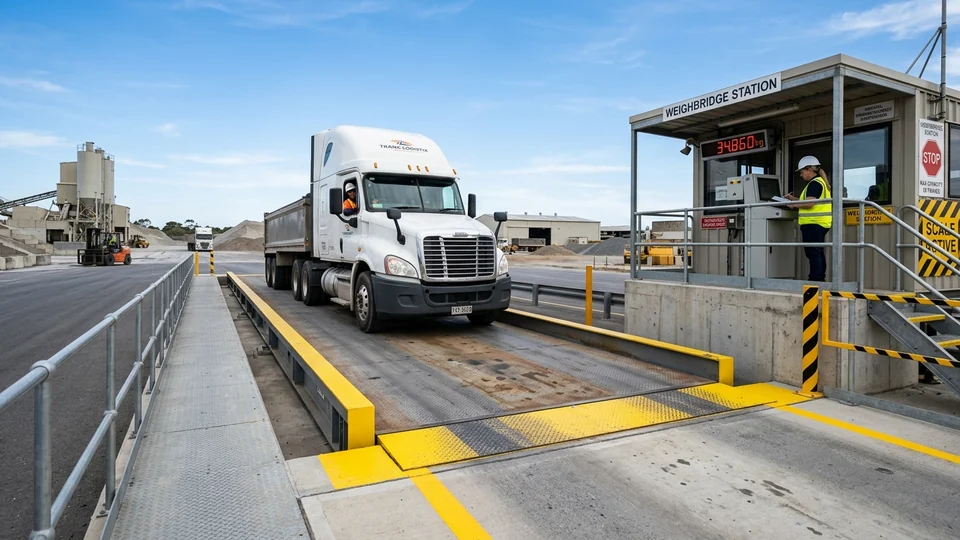
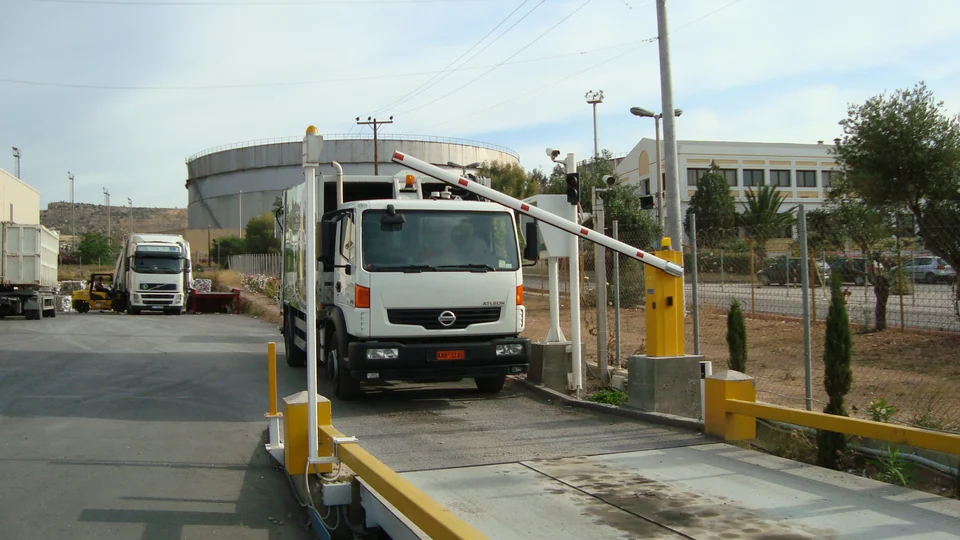
Waste haulers do not estimate weight using guesswork. Every single container delivered to regional facilities—such as the Pine Hill Landfill off FM 1252 or local transfer stations in Gregg County—is weighed on a commercial platform scale calibrated according to Texas Department of Agriculture standards.
The process involves a three-step formula documented on a computer-generated scale ticket:
| Scale Metric | What It Measures | Example Reading |
|---|---|---|
| Gross Weight | Total weight of the roll-off truck, hydraulic hoist, steel container, and your debris upon arrival. | 48,420 lbs |
| Tare Weight | Weight of the empty roll-off truck, hoist, and empty container weighed on the outbound scale after dumping. | 42,180 lbs |
| Net Weight | Gross Weight − Tare Weight = The actual, verified weight of your debris dumped at the landfill face. | 6,240 lbs (3.12 Tons) |
If your 20-yard rental contract included 3.0 tons (6,000 lbs) of debris, your ticket exceeded the allowance by 240 pounds (0.12 tons). At a typical overage rate of $75 per ton, the customer is billed exactly $9.00 for the extra weight. Certified haulers always provide an authentic copy of the scale ticket showing exact time-stamped weights upon request.
Why Do Weight Limits Exist?
Some customers ask: "If I rented the container, why does it matter how heavy it is as long as it fits inside the walls?" Weight restrictions exist for three critical reasons:
-
Texas DOT Highway Weight Regulations: Commercial trucks traveling along I-20, Loop 281, US-259, and FM corridors are subject to strict weight limits enforced by the Texas Department of Public Safety (DPS). In Texas, single commercial axles are legally limited to 20,000 lbs and tandem drive axles to 34,000 lbs, with an overall maximum Gross Vehicle Weight Rating (GVWR) of 80,000 lbs. Overweight commercial vehicles face steep court fines and must offload cargo on the roadside before proceeding.
-
Hydraulic Hoist Mechanical Capacity: Commercial roll-off trucks use heavy-duty hydraulic winch and hooklift systems rated for lifting between 16,000 to 20,000 pounds (8 to 10 tons). When a container exceeds this mechanical rating, the truck's front steering wheels can lift off the ground, hydraulic relief valves bypass, or steel winch cables can snap under catastrophic tension.
-
Residential Driveway Integrity: Standard residential concrete driveways in subdivisions across Longview are 4 inches thick and engineered for passenger vehicles (4,000 to 6,000 lbs). While roll-off haulers utilize wooden protective cribbing beneath steel ground rollers, severe overloading (exceeding 8 tons) can compromise residential subgrades and cause pavement cracking.
Standard Weight Allowances by Dumpster Size
In the East Texas market, flat-rate roll-off agreements typically include generous tonnage allotments tailored to each container's typical use case. Review the industry standard allowances below:
| Container Size | Standard Included Weight | Max Safe Legal Limit | Typical Project Type |
|---|---|---|---|
| 10-Yard Roll-Off | 2.0 Tons (4,000 lbs) | 5.0 Tons (10,000 lbs) | Garage cleanouts, heavy dirt, small bath demo |
| 15-Yard Roll-Off | 2.5 Tons (5,000 lbs) | 6.0 Tons (12,000 lbs) | Kitchen remodels, carpet/flooring tear-outs |
| 20-Yard Roll-Off | 3.0 Tons (6,000 lbs) | 8.0 Tons (16,000 lbs) | Whole home cleanouts, roofing shingles (up to 28 sq) |
| 30-Yard Roll-Off | 4.0 Tons (8,000 lbs) | 9.0 Tons (18,000 lbs) | Major home additions, full estate clearing, light commercial |
| 40-Yard Roll-Off | 5.0 Tons (10,000 lbs) | 10.0 Tons (20,000 lbs) | Commercial construction, demolition framing, warehouse jobs |
Material Weight Estimator: How Heavy Is Your Debris?
To help you calculate your anticipated weight before ordering, review how common renovation and construction debris converts from volume to tonnage:
-
Asphalt Roofing Shingles: Standard 3-tab shingles weigh approximately 200 to 240 lbs per square (100 sq ft). Architectural dimensional shingles weigh 280 to 360 lbs per square. A 25-square architectural tear-off produces approximately 7,500 to 9,000 lbs (3.75 to 4.5 tons).
-
Drywall / Sheetrock: 1/2-inch drywall weighs roughly 1.5 to 1.8 lbs per square foot. Removing 1,500 sq ft of sheetrock from a flooded or remodeled home generates approximately 2,250 to 2,700 lbs (1.1 to 1.35 tons).
-
Ceramic & Porcelain Tile: Floor tiles and mortar backer board weigh between 4.5 to 6.5 lbs per square foot. Tearing out 300 sq ft of tile flooring produces nearly 1,800 lbs (close to a full ton) from a single kitchen or master bathroom.
-
General Household Cleanout Junk: Mattresses, sofas, tables, plastic toys, and clothing average between 150 to 250 lbs per cubic yard. A 20-yard dumpster full of standard garage clutter typically weighs only 1.5 to 2.2 tons, well below the 3.0-ton allowance.
Water weighs 8.34 pounds per gallon. If an East Texas downpour dumps 2 inches of rain over an open 20-yard container (surface area: approx. 175 sq ft), that amounts to roughly 220 gallons of water—adding over 1,800 pounds (nearly an entire ton) to the scale ticket if porous materials like foam carpet padding, mattresses, or drywall absorb the runoff.
5 Practical Rules to Avoid Dumpster Overage Fees
- Always Tarp Prior to Forecasted Rain: If severe weather is expected across Gregg or Upshur county, cover the top of the container with a standard poly tarp weighted down with bungees or bricks. Keeping water out is the easiest way to avoid paying for phantom weight.
- Separate Dense Inert Rubble from Mixed Trash: Never toss heavy concrete pavers, brick chimneys, or dirt into a 20 or 30-yard dumpster intended for wood framing or household items. Rent a dedicated 10-yard container for masonry to take advantage of flat-rate heavy inert terms.
- Break Down Bulky Furniture to Maximize Efficient Packing: Flat-packing items reduces air voids. When you load items orderly, you can gauge weight progression more accurately than when debris is pitched haphazardly.
- Consult With Dispatch on Shingle Square Counts: If replacing a roof in Longview, calculate your total square count and layer count beforehand. Our dispatch desk can pinpoint whether a 15-yard, 20-yard, or dual-swap plan provides the lowest net cost.
- Schedule a Mid-Project Swap-Out When in Doubt: If you are renovating a large commercial building or historic home downtown and reach your weight limit before all debris is loaded, schedule a container swap-out rather than continuing to pile heavy rubble above the water line.
Frequently Asked Questions
What is a typical overage rate in the Longview area?
In Longview and surrounding East Texas communities, overage fees generally range between $65 and $85 per ton. Fees are prorated to the exact poundage recorded on the landfill scale ticket (for instance, 500 lbs over equals one-quarter of the per-ton rate).
How will I know if my dumpster went over weight?
Reputable haulers provide an authentic certified scale ticket from the landfill scale terminal. The ticket displays the automated date, time, truck number, gross weight, tare weight, and net weight. If an overage occurred, it is transparently itemized against your initial rental agreement.
What happens if a dumpster is too heavy to lift?
If a container exceeds the truck's hydraulic hoist capacity (typically around 10 tons), the driver cannot lift the container safely. The customer will be notified to remove excess debris until the weight is within safety limits, and a dry-run trip charge will be billed for the failed collection attempt.
Can I throw dirt and concrete in with regular furniture?
It is strongly discouraged. Combining dense dirt or concrete with light bulky furniture rapidly pushes the container over its weight limit while only utilizing a fraction of its volume. Keeping heavy inert rubble in a dedicated 10-yard container is significantly more cost-effective.