Can You Put Concrete, Dirt & Brick in a Dumpster? (Heavy Material Rules)
A complete technical and practical guide to disposing of inert masonry, sidewalk rubble, and excavation soil in Longview and East Texas without breaking truck hoists, cracking driveways, or triggering DOT fines.
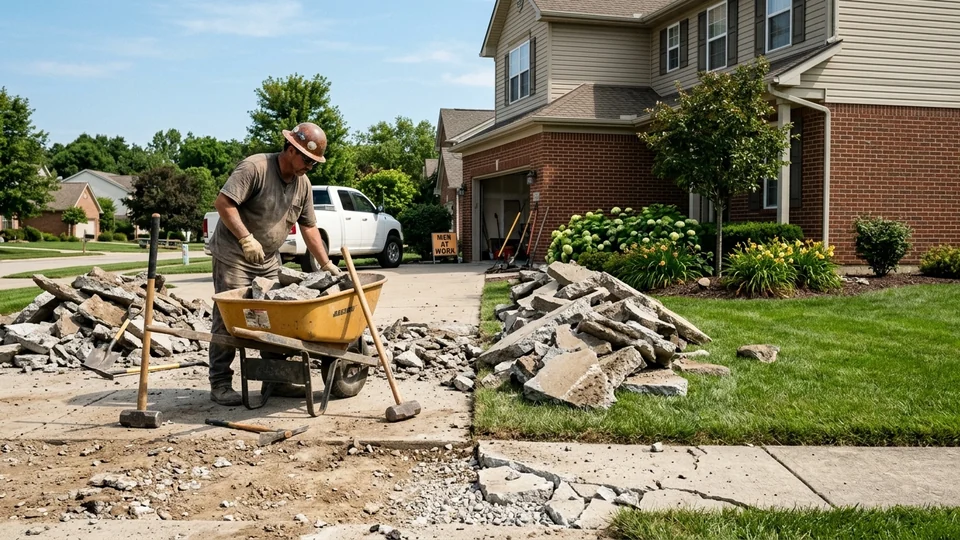
When tackling a patio replacement, breaking up an old walkway in Pine Tree, or digging footings for an addition in Spring Hill, homeowners and contractors routinely ask the same question: Can I throw broken concrete, brick, and dirt straight into a roll-off dumpster?
The short answer is yes—but with strict operational conditions that differ entirely from standard household cleanouts or remodeling debris. While household furniture, wood framing, and drywall are limited primarily by volume (cubic yards), dense inert materials like masonry and earth are limited strictly by weight (tonnage).
Failing to understand these weight dynamics can result in containers that commercial roll-off trucks physically cannot hoist, cracked residential driveways, heavy traffic citations from the Texas Department of Public Safety (DPS), and unexpected landfill overage invoices. Here is the operational breakdown of how heavy material disposal works across Gregg County.
The Physics of Heavy Debris: Density Breakdown
To appreciate why disposal companies enforce dedicated rules for masonry, consider how much heavier these elements are compared to general construction timber or household waste. Standard municipal solid waste averages between 250 to 350 pounds per cubic yard. By comparison, inert mineral materials are tenfold denser:
| Material Type | Average Weight / Cu. Yard | Weight of 5 Cu. Yards | Recommended Container |
|---|---|---|---|
| Solid Concrete (Broken Slabs) | ~4,000 lbs (2.0 Tons) | 10.0 Tons (20,000 lbs) | 10-Yard Lowboy |
| Red Clay Brick (Mortared) | ~3,000 lbs (1.5 Tons) | 7.5 Tons (15,000 lbs) | 10-Yard or 12-Yard |
| Dry Topsoil / Sandy Loam | ~2,200 lbs (1.1 Tons) | 5.5 Tons (11,000 lbs) | 10-Yard Container |
| Wet East Texas Red Clay | ~3,200 lbs (1.6 Tons) | 8.0 Tons (16,000 lbs) | 10-Yard Lowboy Only |
| Asphalt Pavement Chunks | ~3,900 lbs (1.95 Tons) | 9.75 Tons (19,500 lbs) | 10-Yard Lowboy Only |
| Standard Construction Lumber | ~350 - 500 lbs (0.2 Tons) | 1.0 - 1.25 Tons | 20-Yard to 40-Yard |
A customer might assume renting a 20-yard dumpster for a 400-square-foot driveway removal makes sense because "there's plenty of room." However, 20 cubic yards of broken concrete weighs approximately 80,000 pounds (40 tons). That weight will snap steel winch cables, buckle the container's undercarriage, severely crush asphalt or concrete residential driveways, and exceed legal highway hauling limits by more than 45,000 pounds.
Why Dumpster Size Matters: The 10-Yard Lowboy Rule
In the waste management industry, heavy inert debris is universally restricted to compact containers, most notably the 10-yard roll-off. These containers feature lower side walls (typically 3.5 to 4 feet high) which serve two essential engineering functions:
-
Ergonomic Loading Safety: Wheelbarrows filled with concrete chunks or heavy clay can be dumped through the swinging rear door or shoveled over low sidewalls without throwing out a worker's back.
-
Physical Volumetric Limiter: It is nearly impossible to load 40 tons of rubble into a 10-yard bin. Even when filled half-way to the designated fill line, it naturally caps weight within the 5 to 8-ton safety range of commercial tandem-axle roll-off trucks.
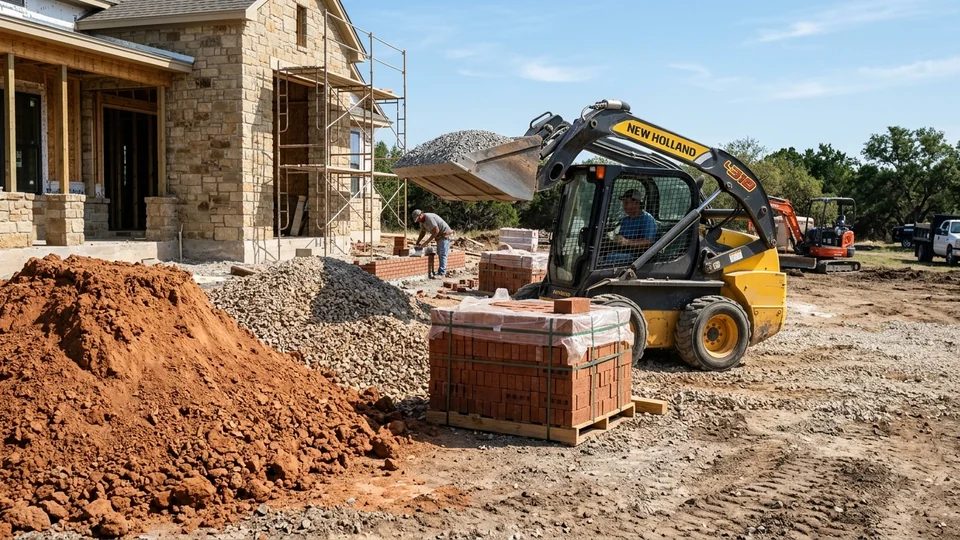
Clean Fill vs. Mixed Debris: The Landfill Difference
Before loading heavy materials, it is vital to know whether your load qualifies as Clean Fill or will be classified as Mixed Demolition Debris. This distinction dramatically impacts environmental handling and disposal costs:
What Qualifies as "Clean Fill"?
Clean fill refers to purely inert, recyclable mineral debris containing zero organic or synthetic contaminants:
-
100% Clean Concrete: Free of excessive wire mesh or heavy structural rebar. Chunks are hauled to regional aggregate processors where they are crushed into "flexbase" or crushed concrete aggregate for road construction.
-
Clean Masonry & Brick: Pavers, brick siding, and cinder blocks free from lead-based paints, plaster, and trash.
-
Clean Soil / Dirt: Subsoil free from roots, trash, landscape fabric, or chemical contamination.
What Turns a Load into "Mixed Debris"?
If a single load contains concrete mixed with treated lumber, drywall, roofing shingles, plastic packaging, or PVC piping, aggregate recycling yards will reject it outright. The hauler must then divert the container to a municipal solid waste landfill—such as Pine Hill Landfill off FM 1252 in Gregg County.
At a municipal landfill, every pound of material is charged at standard commercial tipping fees (typically $48 to $65 per ton). A 7-ton load of mixed debris will cost significantly more to tip than a clean load delivered to an aggregate recycler. Keeping materials strictly segregated saves substantial disposal expense.
East Texas Red Clay: The Water Absorption Trap
One regional factor unique to Longview, Kilgore, White Oak, and Marshall is our iron-rich East Texas red clay subsoil. While dry topsoil is relatively light and easy to shovel, clay has remarkable moisture retention characteristics:
If you excavate soil for a pool, retaining wall, or foundation repair and leave the container uncovered during an East Texas thunderstorm, the clay absorbs rainwater like a sponge. A container holding 6 yards of dry soil (approx. 6.5 tons) can balloon into 9 or 10 tons of waterlogged mud within 24 hours.
Whenever renting a roll-off container for earthwork or dirt removal in East Texas, always keep a heavy-duty waterproof canvas or poly tarp on site. If the forecast calls for rain, secure the tarp tightly across the container's top rails. This simple step prevents thousands of pounds of added water weight that you would otherwise pay for at the scale house.
Protecting Your Driveway from Heavy Point Loads
A 10-yard container loaded with 6 tons of concrete exerts tremendous downward force through its steel ground rollers. To safeguard residential concrete or asphalt driveways in neighborhoods across Longview:
-
Mandatory Wood Cribbing: Always require that heavy structural timber boards (2"x10" or 3/4" plywood runners) be placed directly underneath the steel rollers before the container touches the ground. This distributes the point load across a broader surface area.
-
Avoid Soft Turf Placement: Never place a container loaded with masonry or dirt directly on grass or soft lawn dirt. The heavy wheels will sink deeply into the turf, requiring heavy wrecker winches to dislodge and leaving deep ruts.
-
Observe Culvert & Apron Ratings: Rural driveways along FM roads in Gregg County frequently have hollow metal or plastic drainage culverts under the entrance apron. Heavy tandem-axle haul trucks can exceed culvert ratings if driven directly over unreinforced edges. Discuss approach angles with dispatch beforehand.
Frequently Asked Questions
Can I put concrete with wire mesh or rebar into a dumpster?
Light wire mesh and occasional small-gauge rebar embedded in concrete chunks are generally acceptable, though aggregate recyclers prefer it cut flush with the slab edges so it does not jam industrial jaw crushers. Heavy industrial rebar grid should be declared prior to dispatch.
How high can I fill a dumpster with concrete or dirt?
As a strict rule of thumb, heavy inert materials should never be filled beyond one-half of the container's wall height. Even in a 10-yard container, filling to the brim with concrete will cause the load to exceed 10 tons, making it illegal to transport under Texas road safety laws.
Can I mix tree limbs and brush with concrete?
No. Yard waste (organic brush and limbs) cannot be recycled with concrete and is banned from clean fill processing. If mixed, the load must go to the municipal landfill as mixed waste, eliminating any recycling discounts and risking fines.
What is the best way to estimate how many yards of concrete I have?
Measure the length, width, and thickness in feet of the slab being demolished. Multiply Length × Width × (Thickness in inches ÷ 12) to calculate cubic feet, then divide by 27 to find solid cubic yards. Finally, multiply by a 1.5 expansion factor, because broken rubble contains air voids and takes up roughly 50% more container volume than an unbroken slab.